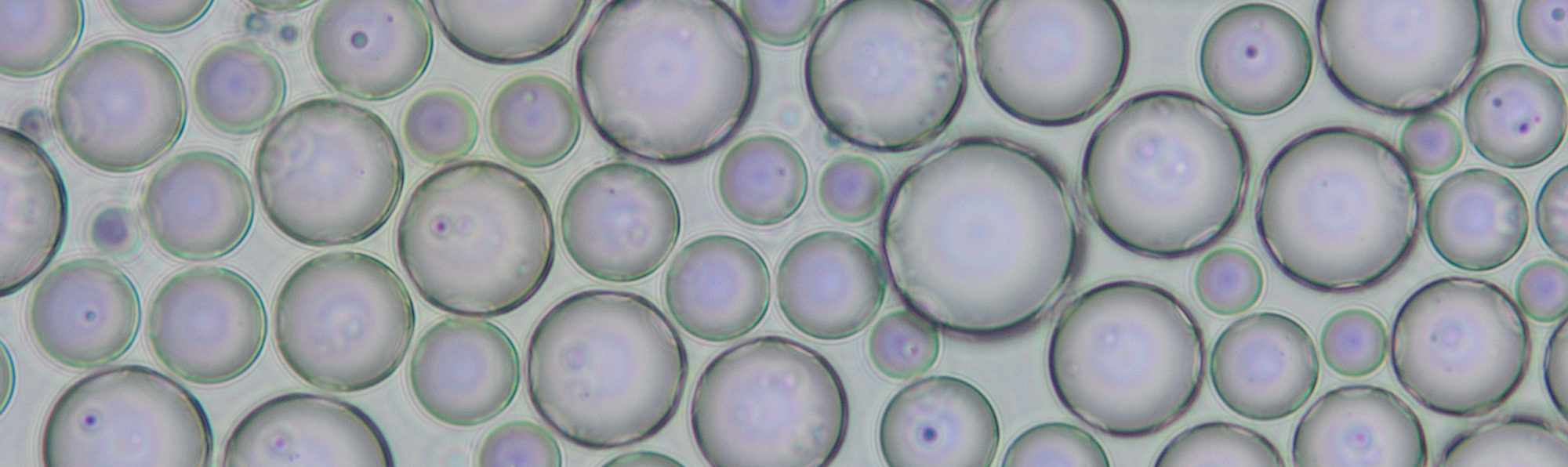


Our Concept Article was just published in EurJOC. The article discusses the concept of protocell communication from the point of view of organic chemists. First, it analyses the chemistry at the heart of the protocell communication machineries currently employed, and then it proposed new routes towards protocell communication based on fully synthetic and artificial nanosystems (synzymes).
The work was funded by the European Union (ERC StG, PROTOMAT, 101039578).
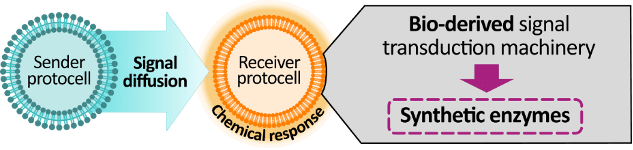
The bottom-up fabrication of synthetic cells (protocells) from molecules and materials, is a major challenge of modern chemistry. In this research, a significant breakthrough has been the engineering of protocells capable of chemical communication using bio-derived molecules and ex situ stabilised cell machineries. These, however, suffer from short shelf-lives, high costs, and require mild aqueous conditions. In this Concept Article we analyse the chemistry at the heart of protocell communication to highlight new opportunities for synthetic chemists in protocell engineering. Specifically, we (i) categorise the main bio-derived chemical communication machineries in enzyme cascades, DNA strand displacement, and gene-mediated communication; (ii) review the chemistries of these signal transduction machineries; and (iii) introduce new types of bio-inspired, fully synthetic artificial enzymes to replace their natural counterparts. We believe that the development of protocells that incorporate synthetic analogues of bio-derived signal transduction machineries will improve the robustness, stability and versatility of protocells, and broaden their applications to highly strategic fields such as photocatalysis and fine chemicals production.
Full article available here.
 The Gobbo Group