Matching Together Living Cells and Prototissues: Will There Be
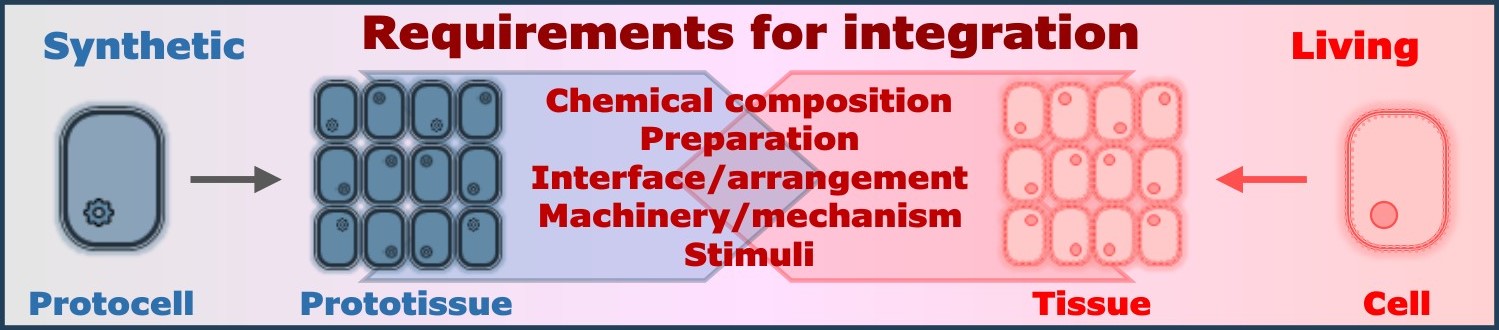
This review in ChemBioChem examines the interactions between synthetic cells, tissues, and living counterparts, aiming for full integration. It discusses advancements in synthetic/living cells interactions, prototissue engineering, and stimuli-driven tissue engineering, paving the way for future studies in tissue engineering, synthetic biology, and regenerative medicine. The work was funded by the European Union and Fondazione Istituto di Ricerca Pediatrica Città della Speranza.

Higher-order Behaviours in Bio-inspired Materials

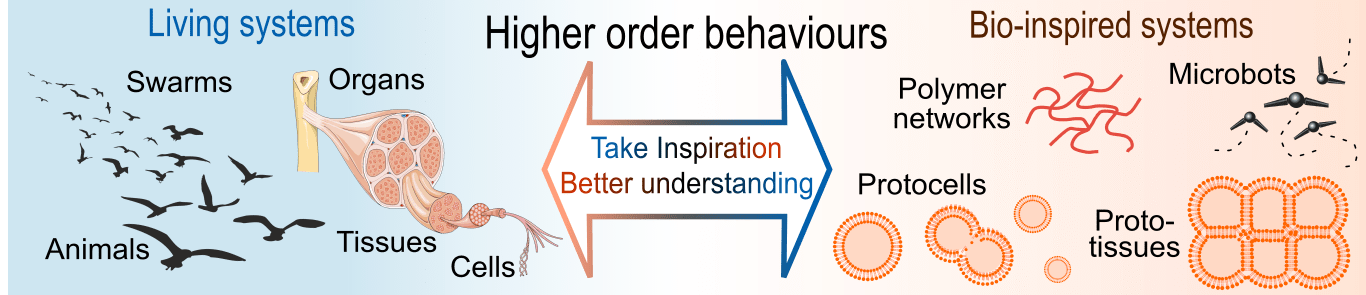
This mini-review, published in ChemSystemsChem, introduces the concept of higher-order behavior in materials chemistry, discussing the development of such behaviors in bio-inspired systems like polymer networks, microbots, protocells, and prototissues. It emphasizes the ability to chemically program these materials and their potential applications in various fields, from tissue engineering to regenerative medicine. The work was funded by the European Union (ERC StG, PROTOMAT, 101039578; Marie Curie Postdoctoral Fellowship, PROTO-BACT, 101107715).

Shining Light on Carbon Dots: New Opportunities in Photocatalysis

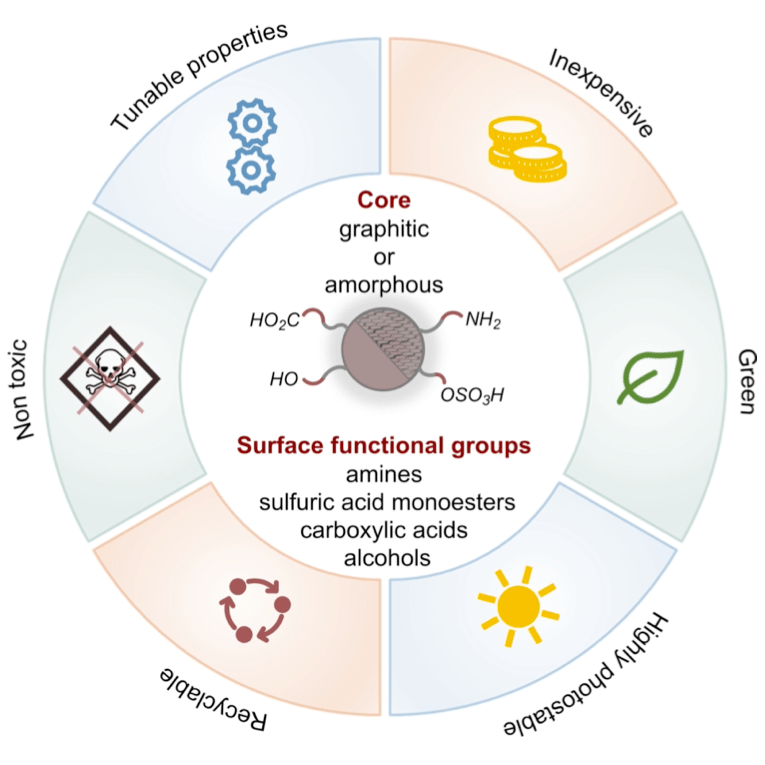
Our ChemCatChem Concept Article is now published. The article discusses recent advancements in carbon dots-based photocatalysis. We highlight the link between the carbon dots superficial and core composition and their resulting photo-redox abilities. We then give future perspectives on their application in cutting-edge areas. The work was carried out in collaboration with Dr. Giacomo Filippini and Prof. Maurizio Prato at the University of Trieste.

Colloidosomes as a Protocell Model: Engineering Life-Like Behaviour through Organic Chemistry

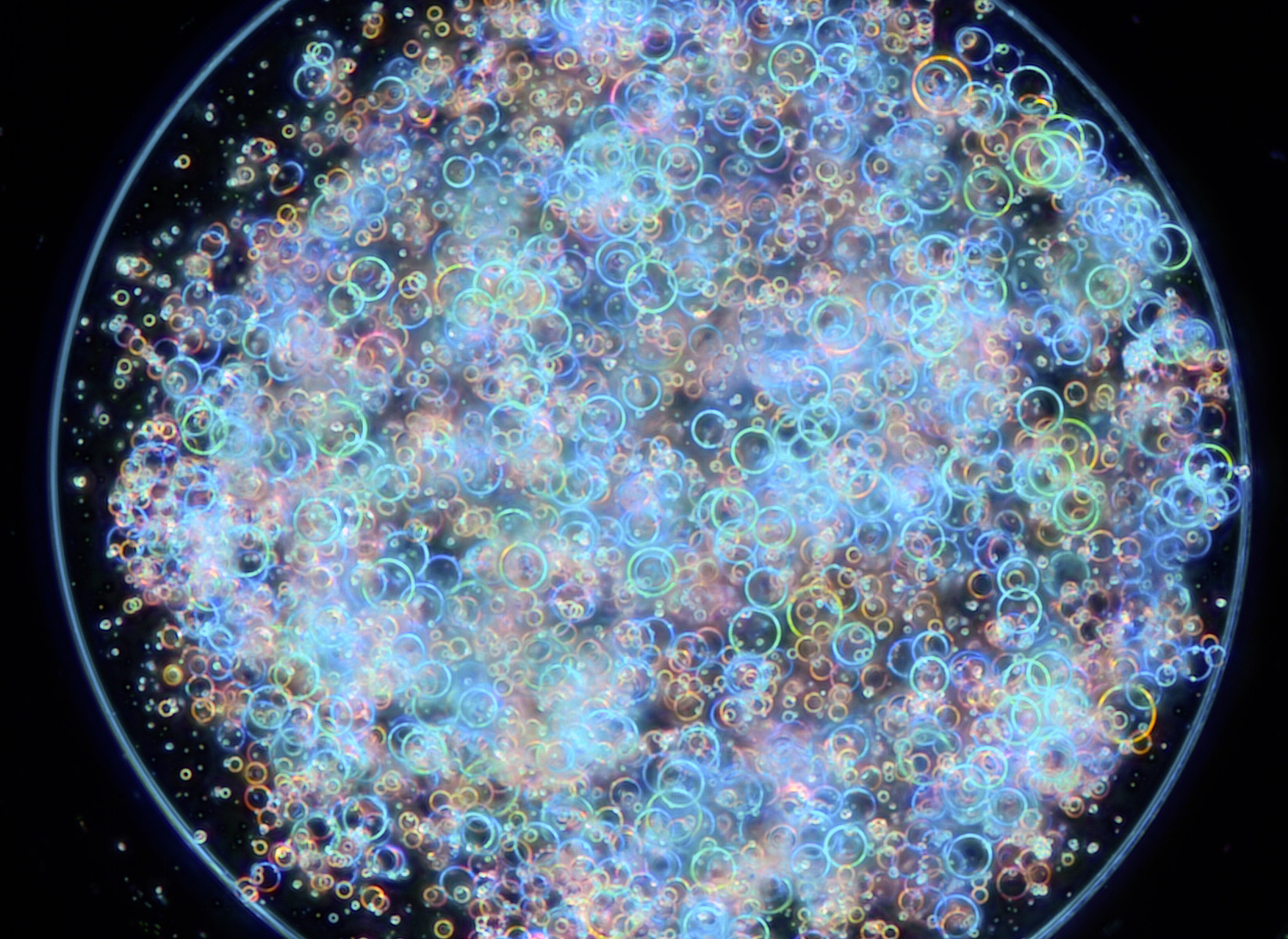
Colloidosomes are robust, versatile microcapsules that have emerged as promising candidates for protocell models. Read our just published review that highlights the role of organic chemistry in the engineering of colloidosomes with life-like behaviours, such as selective membrane permeability, adhesion, chemical signalling, dynamic multi-compartmentalisation, replication, and predation.