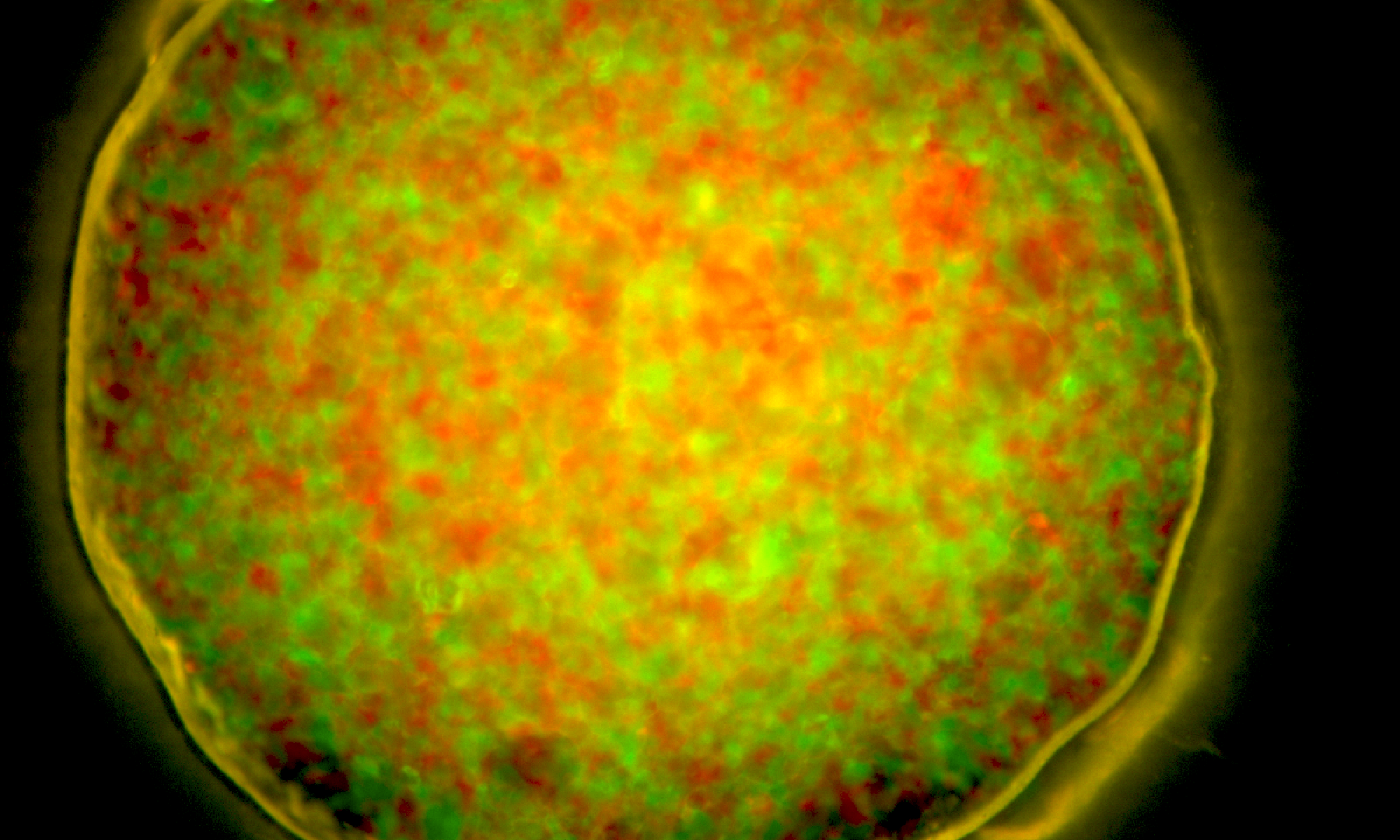

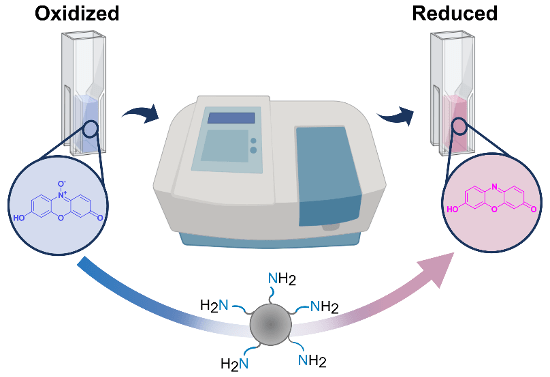
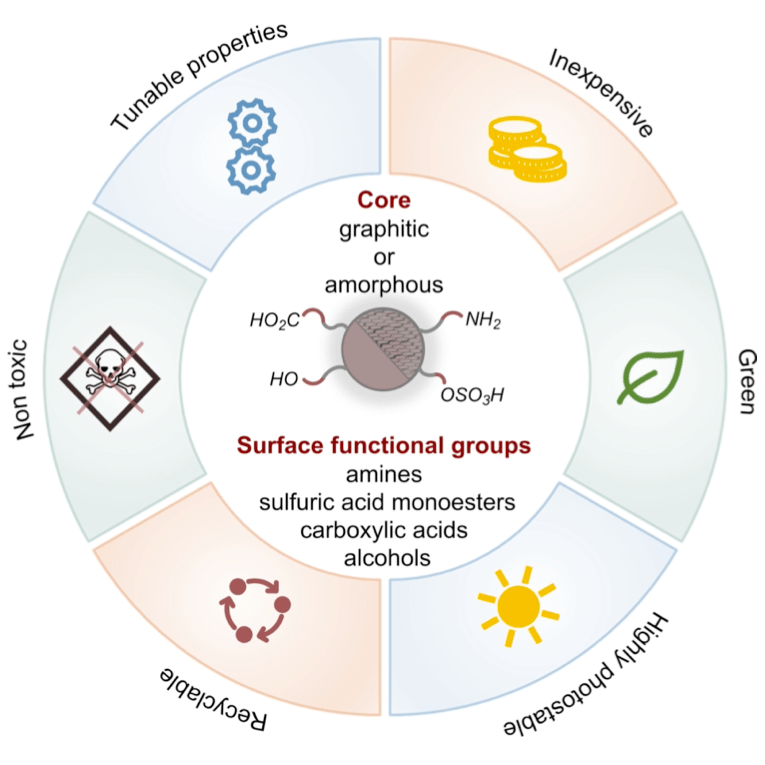
Carbon dots are tiny, fluorescent nanoparticles synthesised from cheap, readily available precursors, but for all their promise in catalysis, sensing, and chemical biology, one question has lingered: what actually makes them good at transferring electrons? This study digs into the surface chemistry of carbon dots to show that amine groups — their number, their density, and how accessible they are — are the decisive factor, and that understanding them quantitatively is the key to designing better nanomaterials.
Going Deep into the Surface Chemistry of Carbon Dots: Influence of Functional Groups on the Redox Abilities
 The Gobbo Group