Coacervate Vesicles as Adaptive Platforms for Synthetic Biology and Smart Materials

Our latest concept paper, published in Chemistry-A European Journal, introduces Coacervate Vesicles as a new class of protocells that combine the functionalities of complex coacervates with the robustness of membranised architectures. These novel artificial cells offer enhanced compartmentalisation and stability, opening up exciting possibilities in areas ranging from bio-inspired systems to drug delivery and synthetic …

Molecular Insights into the Formation and Functionalization of Carbon Nanodots: From Precursor Intermediates to Surface Chemistry Quantification

Our research team has achieved a milestone in the molecular characterization of carbon nanodots (CNDs), revealing their absolute molecular weight for the first time, and precise surface functionality. Published in Angewandte Chemie International Edition and developed in collaboration with the group of Prof. Maurizio Prato (University of Trieste) and Dr. Serena Agostini from Malvern Panalytical Ltd (UK), this work establishes a solid framework for precise nanodot characterization, opening the way to tailored applications in catalysis, nanomedicine, and advanced hybrid material fabrication.

A Photonastic Prototissue Capable of Photo-Mechano-Chemical Transduction

The Gobbo Group has created the first light-responsive artificial tissues-like materials, or photonastic prototissues, that can mimic natural energy transduction processes. Published in Advanced Materials, the work combines gold nanoparticle-based proto-organelles and a responsive polymer “proto-cortex” to build protocells that contract under visible light. These motions can reversibly control internal enzyme activity, offering a new way to engineer life-like behaviours. This advance marks a significant step towards advanced, energy-responsive prototissues in synthetic biology and bioinspired materials engineering.

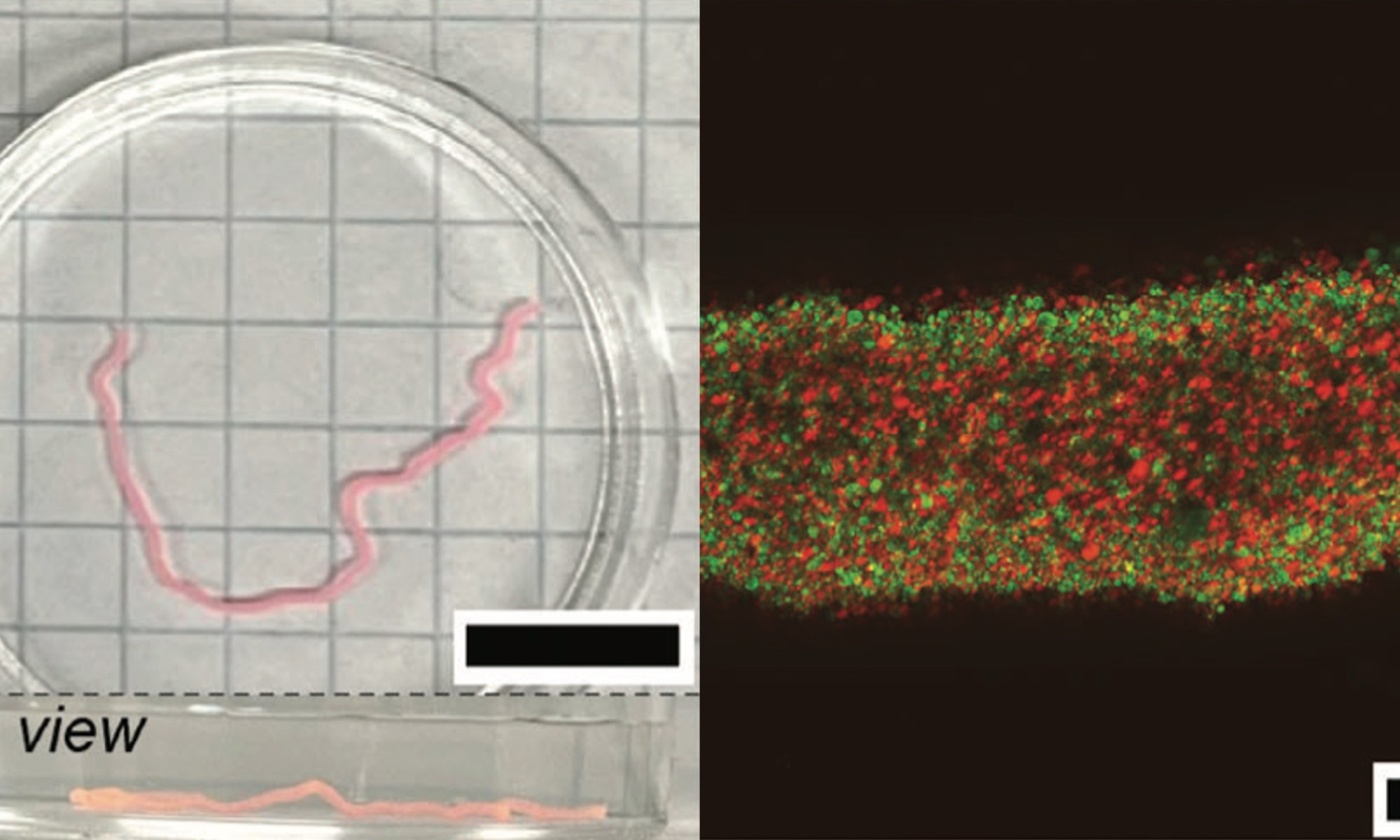
Programmed Fabrication of Vesicle-Based Prototissue Fibers with Modular Functionalities

Our research team has achieved a breakthrough in creating artificial tissue-like structures, termed "prototissue fibers," inspired by natural cell cooperation. Published in Advanced Science, this work, involving collaboration with Prof. Taisuke Banno's group, utilized vesicles and salt bridges to form these fibers, enabling the integration of specialized modules. These innovations allow for customizable soft materials, enhancing fields like 3D bioprinting, tissue engineering, and soft robotics. This significant advancement addresses key challenges in prototissue engineering, paving the way for bioinspired material development.

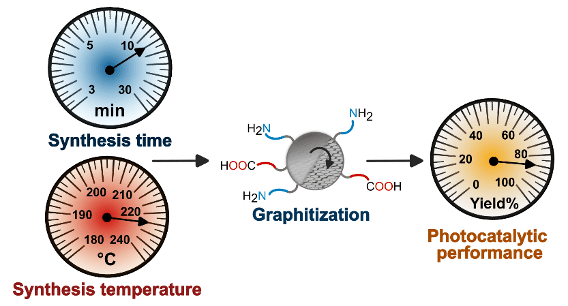
Structure Matters: Tailored Graphitization of Carbon Dots Enhances Photocatalytic Performance

Carbon dots (CDs) hold the potential to revolutionize photocatalysis by outperforming traditional catalysts with their eco-friendly and tunable properties. Our work now published in ACS Nano highlights how adjusting their synthesis can enhance graphitization, boosting catalytic performance and durability. As we unlock their potential, CDs pave the way for affordable, game-changing applications in various industries.